By Ethan Krasnoo
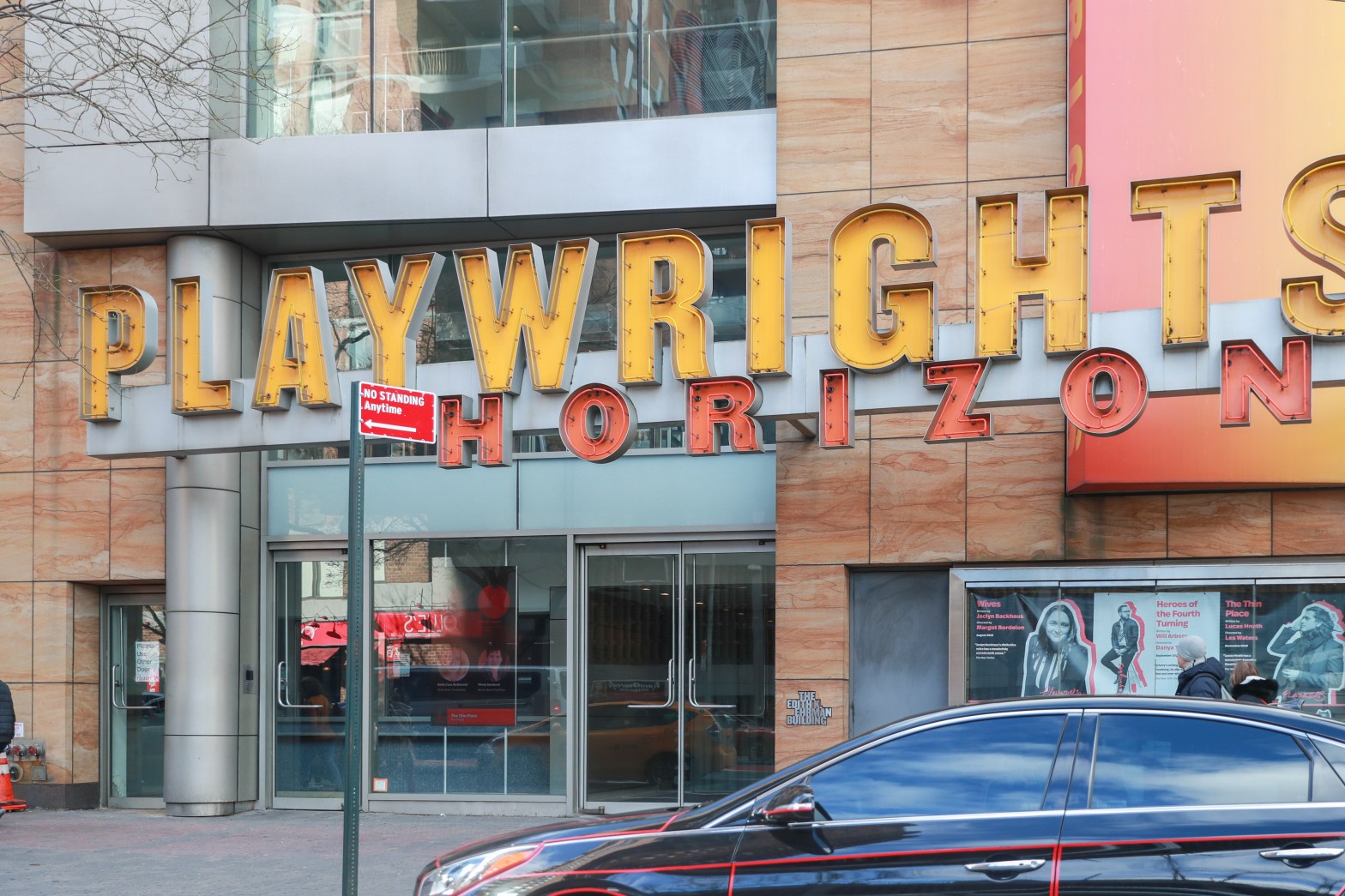
A class-action lawsuit filed on December 22, 2025 in the U.S. District Court for the Southern District of New York is challenging a ticket-pricing practice used by Playwrights Horizons, a prominent nonprofit theater company based in New York City. At its core, the case asks whether a public-facing arts organization can offer race-based ticket discounts without violating federal, state, and local civil rights laws?
According to the Complaint, Playwrights Horizons, which operates Off-Broadway theaters in Manhattan, hosted a special performance of its play Practice on November 6, 2025, designated as a “BIPOC Night.”
For that performance, the theater circulated a promotional code, “BIPOCNIGHT,” that expressly welcomed use by patrons who identified as Black, Indigenous, or People of Color (BIPOC). Use of the promotional code allowed those patrons to purchase tickets at a discounted price of approximately $39, while other patrons paid the regular ticket price of approximately $90.
The named Plaintiff, Kevin Lynch, is a theatergoer who attended the performance. He alleges that because he is white, he did not use the BIPOC discount code and instead paid full price. As a result, Lynch claims he was overcharged by $51 per ticket solely on the basis of his race.
The Complaint alleges that this pricing structure constituted unlawful racial discrimination, as the cost of the same seat at the same performance depended on a patron’s race. Lynch brings the action on behalf of himself and a proposed class defined as all individuals who purchased tickets to Practice and paid more than they would have paid had they qualified for the BIPOC discount.
The Complaint alleges that Playwrights Horizons violated four separate laws, including federal civil rights law embodied in 42 U.S.C. §1981, which guarantees all persons the same right to make and enforce contracts regardless of race, and violations of the New York State Human Rights Law, New York Civil Rights Law, and New York City Human Rights Law that also protect against discrimination based on race.
Lynch asks the court to find that Playwrights Horizons violated federal, state, and city anti-discrimination laws; to mandate refunds and/or compensatory damages; and to award potential punitive damages, nominal damages, and attorneys’ fees and litigation costs to the class plaintiffs.
The case remains in its early procedural stages. No court has ruled on the merits, and Playwrights Horizons has not yet filed its formal response. Playwrights Horizons may argue in response that it did not actually enforce racial classifications, noting that no identification was required, no proof of race was requested, and that anyone could technically use the promotional code regardless of their race. It may further contend that the discount functioned as a voluntary promotional initiative rather than a denial of access or exclusion.
The case highlights a growing legal tension between longstanding civil rights statutes that prohibit race-based distinctions and modern diversity initiatives employed by cultural institutions. That tension has recently been highly amplified by renewed political and legal scrutiny of race-conscious policies at the federal level, including public debate and executive action critical of DEI programs in both public and private institutions. How the court resolves this dispute may therefore have implications extending beyond this single theater production, particularly for arts organizations seeking to balance inclusivity goals with compliance obligations under civil rights law.
 The Law Ally of Broadway